
Unlock the Best
Version of You

Generative Conversation: How to Create an Environment where People Thrive Together
Much of our lives are shaped through conversation, and we are mostly unaware of this. Conversations don’t just describe our reality, we create them, hence the term generative. Through generative conversation, we coordinate action, build, repair or even destroy relationships, and make sense of what is happening around us.

Emotional Literacy: Learning to Read the Language of Feeling
Many of us were never taught emotional literacy – how to actually be with our emotions rather than manage them away. We learned how to manage tasks, meet expectations, and keep going even in circumstances that called for something different. Emotions were often something to suppress, control, ignore, or work around. If they showed up too strongly, they were treated as inconvenient or inappropriate, with gender and culture playing a major role.

Constant Urgency: The Hidden Cost of Living at High Speed
Modern life often exists in state of constant urgency with us always rushing toward the next moment, the next task, the next demand. Everything about our lives scream “Now”, “Faster”, “Immediately”, “Yesterday”, and the pace rarely lets up. Urgency can be useful when something genuinely matters and requires immediate attention. It sharpens focus and mobilizes action in moments that call for it. Yet when urgency becomes a way of being rather than a temporary response, we begin to treat ourselves as machines focused on production.

Coaching Between Sessions: Supporting Client Practice and Integration
Coaching conversations can be powerful as clients begin to see themselves more clearly, recognize familiar patterns, and sense new choices becoming available. That’s the good news and is something to be celebrated. However clients often return saying, “I understood it completely when we talked. Then the situation came back… and I reacted the same way.” What is not always apparent to our clients is understanding that much of real transformation happens in coaching between sessions, where they are able to observe themselves in action and make micro adjustments as they go.

Developmental Coaching: Moving Beyond Fixing and Improving
Many clients arrive in coaching with the same mindset they bring to work: measure, evaluate, improve, fix. They often speak about themselves as if they are projects. “I need to be more productive.” “I should communicate better.” “I’m not doing well enough.” As coaches, we recognize this frame. We’ve seen it countless times. And if we’re honest, it can be tempting, even normal, to unintentionally join it.
Conversational Leadership: How Dialogue Creates Possibility
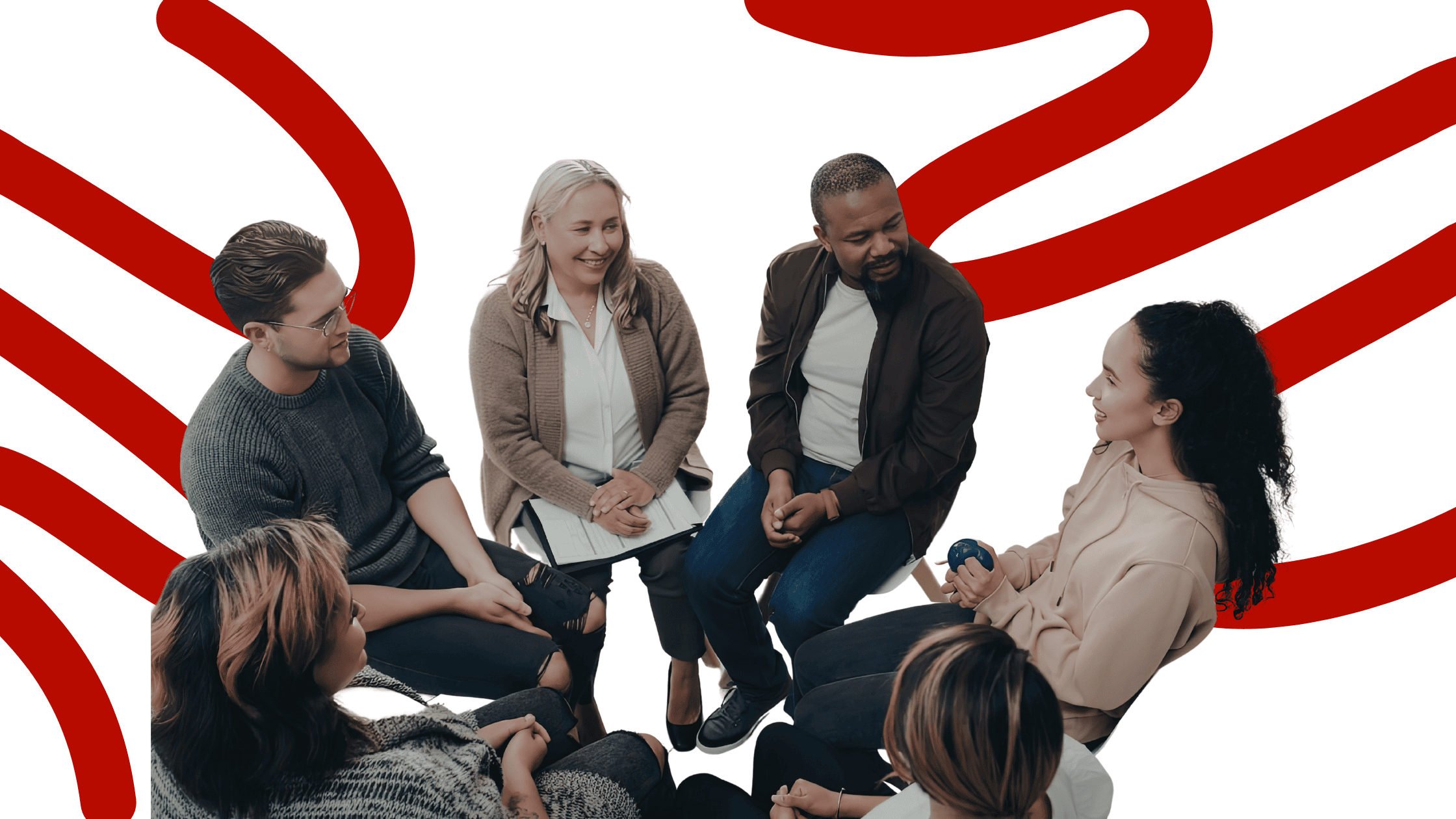
What most of us don’t realise is that so much of leadership happens through conversation. Not through presentations or emails. But through the living exchange between people, where we meet each other and where something new can emerge that neither person saw coming.

The AI Coaching versus Human question everyone is asking
A friend recently told me: “I asked ChatGPT to create reflective practices for my leadership development, and it gave me excellent questions. They were thoughtful, well-structured, and useful. Why would I need anything else?”
It’s a fair question. And it highlights something important we need to understand about the AI vs human coaching debate and how development actually works.

Embodied Practice: Why Practice Matters More Than Insight
We love insights. We buy books, listen to podcasts, and go to courses for insights. They can feel energizing, clarifying, and sometimes even life-changing. In coaching conversations, leadership programmes, or retreats, people often experience powerful realizations. And yet, weeks later, we often notice that although we understood and believed a change was important to make, somehow we are doing the same things again. This can feel disappointing or confusing, and it’s easy to determine that we simply lack discipline or commitment.

Leadership Behaviour Change: Why Knowing What to Do Isn’t Enough
What I’ve noticed in reading and in conversations with clients and colleagues is that much leadership behaviour change effort focuses on knowledge and behaviour. Communicate better. Delegate more. Set clearer boundaries. Be confident. Stay calm under pressure. Listen more deeply. While intended to be helpful, this approach is often disheartening. We realise that all of these matter. But for many people, there comes a moment when they realise: “I know what to do… and I still don’t or can’t do it.”

Developing Self-Awareness: From Automatic Habits to Intentional Living
Many of us live more of our lives on automatic pilot than we realize. We wake, work, manage, react, cope. We build routines, systems, shortcuts. Many are useful. Habits save energy. They help us function. But developing self-awareness means beginning to notice what those habits have quietly become. At some stage, habits begin to shape our identity.
We find ourselves saying: “That’s just the way I am.” “I always do this.” “I can’t change.” This is rarely true. It simply means we haven’t yet looked beneath the habit.