Table of Contents
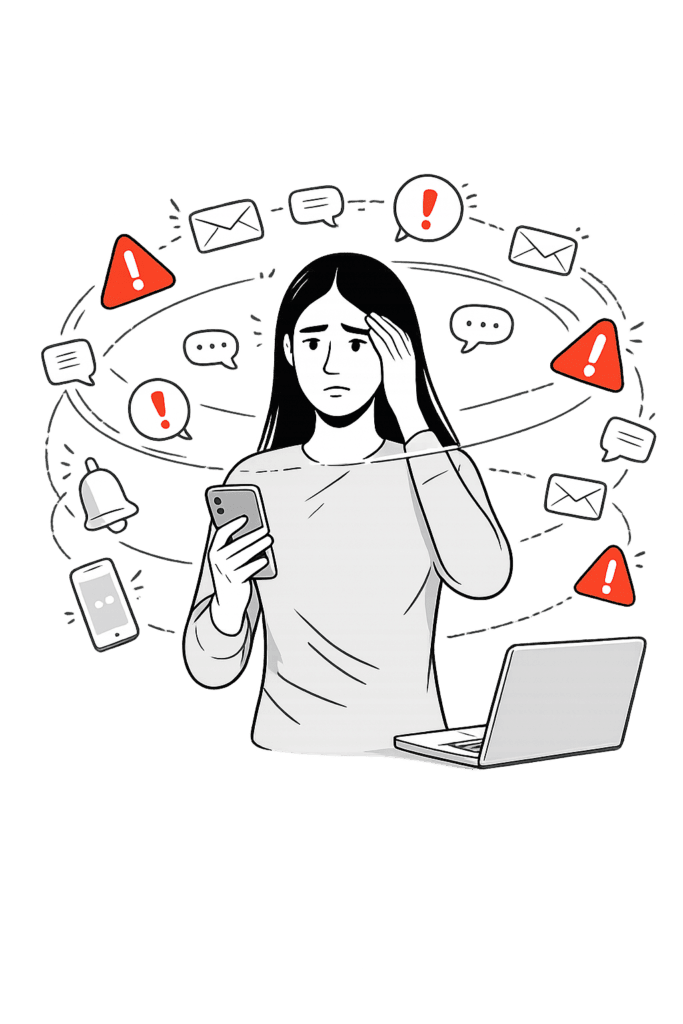
Modern life often exists in state of constant urgency with us always rushing toward the next moment, the next task, the next demand. Everything about our lives scream "Now", "Faster", "Immediately", "Yesterday", and the pace rarely lets up. Urgency can be useful when something genuinely matters and requires immediate attention. It sharpens focus and mobilizes action in moments that call for it. Yet when urgency becomes a way of being rather than a temporary response, we begin to treat ourselves as machines focused on production.
The problem is that when this happens, our perspective narrows, relationships are stretched thin, creativity becomes harder to access, and kindness disappears, leaving us reacting rather than responding, driving rather than choosing.
Understanding Constant Urgency: When Speed Becomes Your Default
Constant urgency isn't just about being busy or having a lot to do. It's when urgency shifts from a temporary response to a permanent state of Being, and when it becomes the background frequency you're always tuned to, regardless of the actual circumstances.
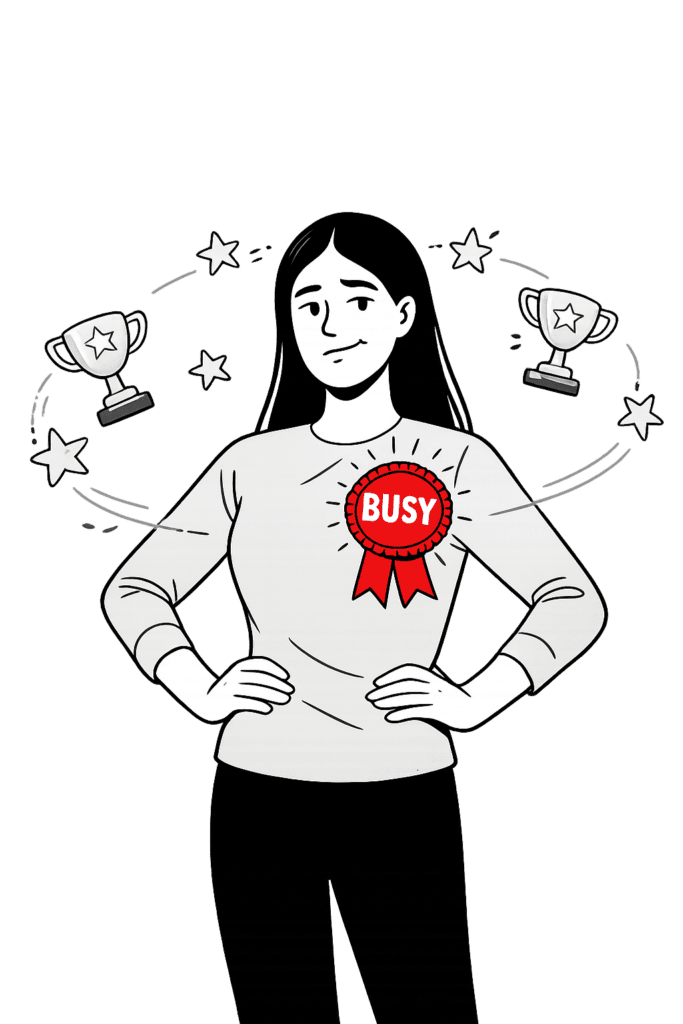
Robert Sapolsky's research, detailed in Why Zebras Don't Get Ulcers, makes clear that chronic stress, which is the kind produced by sustained urgency, progressively undermines cognitive function and well-being. Yet organizations continue to reward speed over thoughtfulness, building cultures where busyness signals importance and the relentless push for urgency is mistaken for meaning.
But this way of observing the world operates at a level deeper than workplace culture or time management. Over time, an inner pressure takes hold and the narrative that goes along with that is that we should keep up, not slow down, and heaven forbid, fail!
The contemporary German philosopher Peter Sloterdijk coined a term for this: "hysterical industriousness" which is a compulsive productivity that has become a defining mood of modern life. It extends way beyond just being busy. We can't imagine not being busy, and slowing down feels dangerous and like we are falling behind the rest of the world.
Over time, this can become a mood we live inside. Not something we turn on when needed, but has become part of who we are and something we carry everywhere - into meetings, into meals, into moments that don't require urgency at all.
We may still be functioning, even achieving, but often at a cost we don't immediately recognize. We move from task to task, conversation to conversation, driven more by pressure than by choice. What once felt like purpose and commitment can turn into a burden, and everything begins to feel like an effort without enjoyment.
Even writing this has me holding my breath!
When Constant Urgency Takes Over: Moments We Recognize
Let me share a few moments that might feel familiar.
A colleague stops by your desk with a genuine question. You answer while still typing an email, eyes on the screen, nodding but not really present. You notice a look of disappointment in their face as they walk away, but you've already moved on to the next thing. Later, you wonder why your relationships at work feel more transactional than you'd like.
Or you're having dinner with someone you care about. They're telling you something that matters to them, but your mind is elsewhere focused on the meeting tomorrow, the email you forgot to send, the decision you need to make. You hear yourself saying "uh-huh" without actually listening. You see their expression shift slightly, the way people do when they realize they've lost your attention. You feel a pang of guilt, but you don't quite know how to get back to the present moment.
Or perhaps you wake up and before your feet hit the floor, your mind is already racing through the day's demands. You move through your morning routine on autopilot barely aware of your body, barely noticing the weather or the light or anything that isn't on your mental to-do list. By the time you arrive at work, you're already exhausted, and the day hasn't really started yet.
These are the nuances of constant urgency. Not dramatic crises, but the way speed becomes the water we swim in. We stop noticing it's there until someone points it out, or until our body forces us to pay attention.
How Constant Urgency Becomes a Way of Being
Over time, something subtle happens. What started as a response to external pressure becomes an internal state we carry everywhere.
Constant urgency begins to shape not just what we do, but how we are being. It influences our interpretations, moods, and embodied habits and our entire Way of Being.
We start to interpret every email as urgent, every request as immediate, and every silence as a gap that must be filled. The world begins to look like a place that requires constant vigilance and speed. We forget that we're choosing this interpretation and it just feels like reality.
This is what makes constant urgency so difficult to shift. It's not just a behavior we can decide to change. It's become woven into how we perceive the world, how we relate to time, how we experience our own bodies.
When we live in constant urgency, our nervous system reorganizes around vigilance. Our physiological state narrows our perceptual field and reduces access to creative thinking. We literally see fewer possibilities when we're in this state. The world starts to look more threatening, conversations feel riskier, and the range of options we can see begins to shrink.
Regardless of our role and context, we may become impatient or demanding. Or just as easily, we might withdraw and disengage, often without noticing the shift while it's happening.
When hysterical industriousness dominates our lives, it doesn't just affect what we do. It shapes how we are being.
The Physiological Cost of Living in Constant Urgency
There's a physical dimension to all of this that we often miss when we're inside it.
The neurobiology of stress confirms that our habitual states, including constant urgency, become embodied patterns that shape our perception, relationships, and available choices. When we live in constant urgency, our breath becomes shallow. Our shoulders creep up toward our ears. Our jaw tightens. Our chest constricts. This becomes part of how urgency maintains itself. The tight chest reinforces the interpretation that something is wrong, that we need to move faster. The shallow breath keeps our nervous system activated. The tense shoulders signal to our brain that we're under threat.
This creates a feedback loop and the urgency shapes our body. .And because this happens gradually over time, we often don't notice it. We think this is just how our body feels. We forget that there were times when our breath was deeper, our shoulders softer, our chest more open.
This is why working with embodied awareness matters so much. We can't think our way out of constant urgency. We have to work with the body, with the breath, with the somatic patterns that keep urgency in place.
Beyond Behaviour Change
It's tempting to approach constant urgency as a behavioral problem.
"I need better time management."
"I need stronger boundaries."
"I need to be more disciplined."
While these strategies can be helpful, they often don't address what's really happening underneath. Urgency is seldom just about behavior. It's rooted in our interpretations, moods, and embodied habits which is our Way of Being.
Once we recognize this, we can begin to observe it, work with it, and gently reshape who we are being. Instead of only asking "What am I doing?" we begin to ask "How am I being while I'm doing it?" We can begin to ask ourselves different questions. Not "What should I do differently?" but "What interpretation of the world am I living inside right now?" Not "How do I fix this?" but "What mood am I inhabiting as I move through the day?" And perhaps most importantly: "What is happening in my body as all of this unfolds?"
These aren't questions with right answers. They're questions that help us notice what's actually happening for us in the moment. Without this level of awareness, behavior change tends to be temporary. We might force ourselves to slow down for a few days, but the underlying pattern reasserts itself because we haven't actually shifted the way we're being. With awareness, something deeper begins to shift. We start to see the pattern while it's happening, not just in retrospect. We catch ourselves mid-urgency and can choose to pause. We notice the interpretation before it fully takes hold.
This is the difference between managing symptoms and transforming the pattern itself.
Stepping Out Without Stepping Away
The key is not to abandon responsibility or disengage from life. Constant urgency often happens because we care deeply, because something matters, because we want to do well. What becomes possible, however, is learning to step out of urgency and attune to what really matter for us.
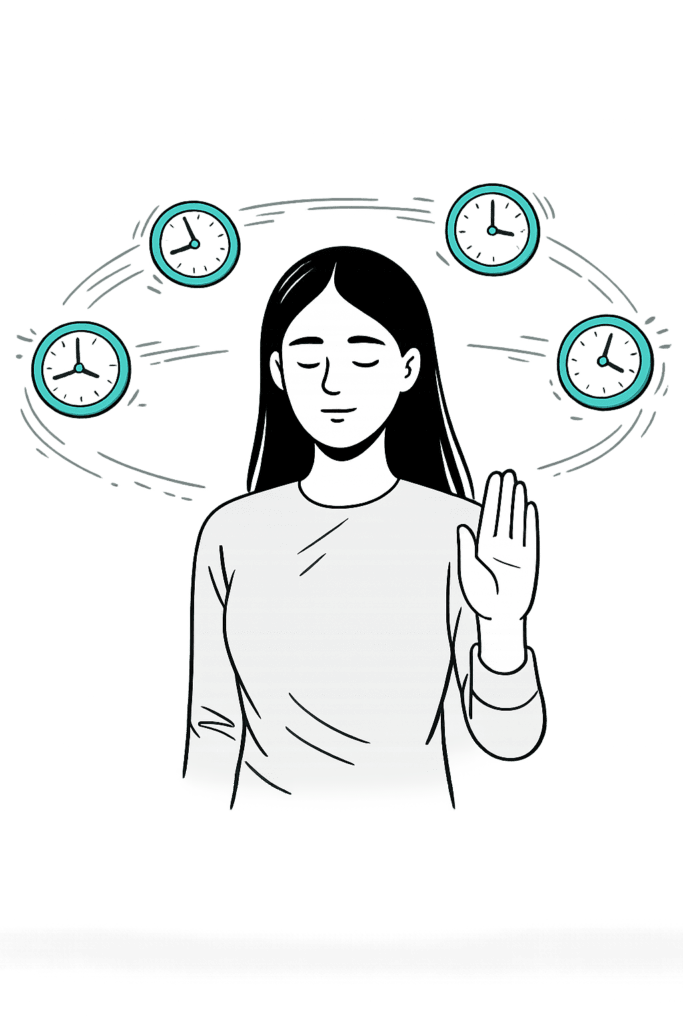
We can make a start on this very simply. We might begin by noticing the language we're using in our inner conversation or out loud. Instead of moving straight into the next task, we pause for just a moment. Before responding to someone, we take a breath and really see them. We might simply name what's happening: "I notice I'm rushing right now."
These moments may seem small, almost insignificant. But they create space. And in that space, something important becomes possible. Perspective can return and we remember that not everything is actually urgent, even if it feels that way. We regain access to choice instead of operating on autopilot, opening up the possibility of responding rather than reacting. We pay attention and bring care to our relationships, and act with clarity instead of compulsion.
This can become the practice of life and living, something to be returned to again and again. This kind of learning doesn't happen only in conversation, whether in coaching, reflection, or dialogue with others. It happens in everyday moments and choices.
What Becomes Possible When Urgency Relaxes
When we begin to step out of constant urgency, even occasionally, different things become apparent to us.
We notice things we've been moving too quickly to genuinely see, be it the quality of light coming through a window, the expression on someone's face when they're really being listened to, or the subtle shift in our own body when we give ourselves permission to slow down.
We access different quality of thinking. Not just faster thinking, but deeper thinking. Not just reactive problem-solving, but genuine creativity. Not just scanning for what's urgent, but considering what's actually important.
Our relationships change. When we're not constantly rushing, people feel it and they relax around us. Conversations go deeper because there's space for them to unfold naturally rather than being compressed into efficient exchanges.
We begin to notice the difference between doing things from pressure and doing things from choice. Both might involve the same actions, but the quality of the experience is entirely different. One feels burdensome, depleting. The other feels aligned, even energizing.
This isn't about doing less, necessarily. It's about being differently while we do what we do. We discover we actually have more capacity, not less. Because we're not spending energy fighting ourselves, managing the pressure, recovering from the depletion. We're simply present with what's in front of us.
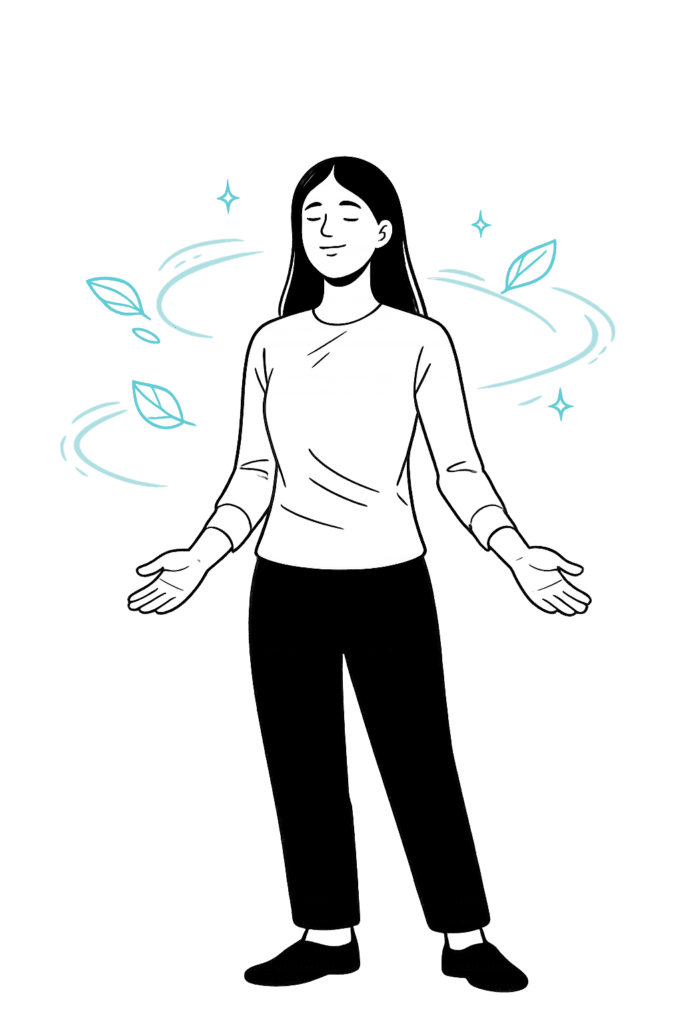
Working With Constant Urgency: Small Beginnings
So how do we actually work with constant urgency once we've recognized it?
There's no single answer, no formula that works for everyone. But there are practices that can support this shift, small ways to begin creating space in a life that feels too fast.
We might start by choosing one transition point in our day, for examplebetween meetings, before leaving work, or first thing in the morning, and pausing there. Just pausing long enough to take three full breaths and notice what is happening within us and what we're bringing into the next moment.
We might practice naming what we're experiencing. "I notice I'm hurrying right now." without judging it or trying to change the experience. This simple act of naming creates the tiniest bit of distance between us and the urgency, enough to remember we're not the urgency, we're the one noticing it.
We might experiment with deliberately slowing one small thing, be it the way we walk from one room to another, the way we pour a cup of coffee, or the way we listen to someone who's speaking to us.
We might notice the language we use. How often do we say "I have to" or "I need to" or "I should"? What happens if we experiment with "I'm choosing to" instead? This subtle shift in language can reveal where we're operating from obligation and pressure rather than genuine choice.
Essentially we create small practices to engage in that disrupts the habitual pattern of go, go, go. These practices aren't about fixing ourselves or forcing a transformation. They're about creating the conditions where something can shift naturally. They're about building the capacity to notice constant urgency while it's happening, rather than only recognizing it in retrospect.
Practices that support this kind of learning - working with constant urgency through awareness rather than force - are available in The Human Connection Store, particularly in Emotional Mastery and Tapping into the Wisdom of the Body.
A Small Reflection
You might like to pause and reflect on this question:
"Where has constant urgency become my default way of being, rather than a temporary response?"
Rather than trying to solve the question, which orients us back toward urgency, you can use it to guide your attention. Notice what it reveals in your language, mood, and body.
Where do you feel urgency in your physical experience right now? What story are you telling yourself about time, about what needs to happen, about what will go wrong if you slow down?
What would it be like to question that story, even just for a moment?
There's nothing to change straight away. This quality of noticing already begins to create movement. From there, you may discover that new possibilities for action automatically emerge—not because you forced them, but because awareness itself opens space for something different to unfold.
Constant urgency isn't inevitable. It's a pattern we can observe, understand, and gently reshape. Not all at once, not perfectly, but gradually, through patient attention to how we're actually being in each moment.
The invitation is simply to begin noticing. To catch ourselves mid-rush and pause. To remember that we have choice, even when it doesn't feel like it.
From there, everything else becomes possible.